What Is the Best Pest Prevention Strategy for Hamilton Homes?
If you want dependable pest control Hamilton homeowners can really use throughout the year, the most effective approach is prevention first. In Hamilton, ON, pests are more than a warm-weather nuisance. The city’s mix of older neighbourhoods, lake-influenced moisture, and dense urban activity creates conditions where insects and rodents can locate food, water, and shelter easily. A smart prevention plan helps you prevent infestations before they become costly repairs or repeated callouts.
The best strategy is built around inspection, exclusion, sanitation, moisture control, and seasonal maintenance. That means checking your home for entry points, managing food sources, reducing nesting areas, and staying ahead of seasonal pressure from pests common in the Greater Hamilton area. Whether you live near the waterfront, closer to the Niagara Escarpment, or in a busy central neighbourhood, the right prevention plan helps protect both older homes and newer properties.
Why Hamilton Homes Benefit From a Nearby Pest Management Plan
A pest prevention plan for Hamilton has to account for local conditions. The Hamilton climate features damp periods, cold winters, and humid summers, all of which influence pest movement and survival. The presence of Lake Ontario humidity can increase moisture buildup around foundations, basements, and crawl spaces, creating ideal conditions for pests that thrive in hidden, humid areas.
Many Hamilton neighbourhoods also have an older housing stock, especially older brick homes, plus many detached homes, semi-detached homes, and row houses. These homes often have more wear in the foundation, aging vents, unsealed utility openings, and other structural gaps that pests can use as entry points. Even a well-kept house can form tiny openings over time.
Hamilton also deals with urban wildlife and pest pressure linked to transit corridors, garbage collection areas, storage yards, and industrial zones. That mix can lure rodents, ants, and other pests looking for shelter and access to food. In other words, pest pressure in Hamilton is often a local environment issue, not just a housekeeping issue.
The best pest prevention plan takes this reality seriously. It uses weatherproofing, scheduled home checks, and smart upkeep to reduce risk before pests move indoors. That is the core of long-term protection.
What Insects Are Most Frequent in Hamilton, ON?
Homeowners in Hamilton, ON commonly deal with a familiar range of pests. The primary problems often include ants, cockroaches, mice, and rats, but they are far from the only ones. Depending on the season and property type, you may also see spiders, wasps, moths, silverfish, bed bugs, cluster flies, and carpenter ants.
Ants often enter in search of dampness and food, especially around kitchens and basement edges. Carpenter ants are a bigger concern because they can signal damp wood or hidden damage. Cockroaches tend to appear where there are food residues, moisture, and sheltered warm areas, making sanitation habits crucial.
Rodents are a serious nearby problem too. Mice can squeeze through remarkably narrow openings, while rats are common near garbage, alleyways, and areas with heavy foot traffic or food waste. In a city with mixed residential, commercial, and industrial areas, rodent activity can escalate around buildings that offer easy shelter and easy access to food scraps.
Other pests often follow the season. Wasps become more noticeable in late spring and summer, cluster flies may invade to stay through winter, and silverfish often thrive where humidity is higher. Bed bugs are not tied to dirt or clutter alone; they can arrive through travel, shared walls, or second-hand items. A prevention plan should address all of these risks, not just one or two common pests.
How to Examine Your Home for Possible Openings
A proper home inspection is the basis of pest prevention. You want to find and close gaps before pests do. Inspect the exterior first and work your way in, focusing on places where the structure naturally weakens over time.
Inspect for cracks in the foundation along the walls of the basement, visible gaps in mortar, and holes around pipes or cables. Many older Hamilton homes, especially those with aging brick or stone foundations, often have small openings that are hard to notice but important for pests. Even a hairline crack can become an entry point for ants, mice, or spiders if it connects to a hidden void.
Examine sweeps beneath doors on all exterior doors, including lower-level and vehicle doors. If light is visible beneath a door or if a draft comes through, pests can likely get through too. Changing worn sweeps is one of the simplest and least expensive prevention steps.
Look closely at window screens for signs of holes, worn corners, and spaces where the frame joins the sill. Screens matter for stopping flies, moths, and wasps out during the warmer season. Remember to inspect basement windows, utility room windows, and any older casement windows that may not close tightly.
In the end, check all utility penetrations. These include the openings around gas lines, electrical conduits, dryer vents, hose bibs, and plumbing runs. These gaps often lead directly into wall cavities and can be an important entry point for mice and insects. Choose proper sealing materials and weatherproofing methods so the fix endures.
When you inspect, think like a pest: where is there warmth, cover, moisture, and a hidden path inside? That mindset helps you identify the weak points that matter most.
Outside Prevention Measures Which Create the Largest Benefit
Many of the most effective control outcomes happen externally the house. Solid exterior habits reduce the number of pests that even reach your walls. That is especially important in Hamilton, where weather swings, older lots, and neighborhood density can all contribute to pest pressure.
Start with landscaping. Maintain shrubs, vines, and tree branches pruned from the home. Thick plants create sheltered nesting areas and make it easier for pests to move from the yard to the structure. Avoid piling mulch too high against the foundation, and keep vegetation from hiding cracks or vents.
Next, service and maintain your gutters. Clogged gutters can result in overflow, damp walls, and water pooling near the foundation. That creates drainage issues and moisture that lure ants, silverfish, and other pests. Make sure downspouts send water away from the building, especially after heavy https://sites.google.com/view/pestcontrol-hamilton-ontario/ rain or snowmelt.
Proper drainage is one of the most overlooked prevention steps. Check grading around the property so water flows away from the house, not toward it. If water pools near the foundation, it can worsen cracks, increase basement dampness, and make the home more welcoming to pests.
Be disciplined with garbage storage. Keep tight-fitting garbage bins and keep them closed. If possible, rinse containers and avoid placing waste directly beside the home. Garbage, recycling, and outdoor pet food can all attract rodents, wasps, and ants. In denser parts of the city, where bins sit close together, good storage habits make a real difference.
These exterior steps matter because they reduce access, water, and shelter. This is the practical meaning of prevention: make the property less attractive and less accessible every month of the year.
Kitchen plus Inside Avoidance Checklist
Inside the residence, the purpose is to eliminate the circumstances that promote pest activity. Effective hygiene and humidity control are just as essential as sealing exterior openings. If pests find readily available food and water inside, they will return again.
For pantry storage, store pantry items in sealed containers wherever possible. This can help protect flour, cereal, pet food, and snacks from ants, mice, and pantry pests. Clear crumbs from counters, clean under appliances, and avoid leaving fruit or dirty dishes out overnight.
Solid sanitation habits create a big difference with cockroaches and rodents. Vacuum regularly, sweep behind appliances, and clean grease from stove areas. In homes with shared walls or multi-unit layouts, these habits are especially important because pests may move through adjacent spaces looking for food.
Pay attention on moisture control in kitchens, bathrooms, laundry rooms, and basements. Fix leaking pipes, dry standing water, and use fans or dehumidifiers if required. Even minor dampness can support silverfish, cockroaches, and carpenter ants. If you notice condensation, stains, or smells of dampness, treat that as a signal.
Reduce clutter as much as possible. Boxes, paper piles, and storage items create hiding places and make it harder to spot pest activity early. Clutter also provides nesting opportunities for mice and insects. Clear access around baseboards, utility rooms, and storage areas so inspections are more effective.
In the kitchen, basement, and garage, the principle is straightforward: take away what pests need, and they lose their advantage. That is how prevention supports long-term protection rather than quick cleanup.
Year-round Insect Control for Hamilton Conditions
Hamilton’s seasonal changes influence pest behavior, so protection should shift during the year. A routine routine works best when it adjusts to weather changes and seasonal pressure.
In spring activity, ants, spiders, cluster flies, and wasps begin to show up more often as temperatures rise. Spring is a good time to inspect for cracks, replace screens, and clean the exterior perimeter after winter. Snow and freeze-thaw cycles can open up weak points in older brick homes and around the foundation.
Summer breeding brings increased activity from ants, wasps, flies, and other insects. Warm weather can also increase moisture issues in basements and crawl spaces. Keep an eye on outdoor food, barbecue areas, and garbage bins because they can become major food sources during the season.
During fall rodent pressure, mice and rats start moving indoors as temperatures drop. This is one of the most important times for Hamilton homeowners to seal cracks and check doors, vents, and utility gaps. Rodents are looking for warmth, and a small opening can be enough to invite them inside.
Winter sheltering is when pests already inside the home become harder to ignore. Rodents, cockroaches, and some spiders can survive indoors while the outside environment becomes less forgiving. Winter is also a practical time to review indoor storage, sanitation, and monitoring traps so you can catch problems early before spring arrives.
A seasonal approach is especially useful in Hamilton because weather, moisture, and property density all interact. If your home is near the waterfront, closer to the escarpment, or in a tight urban block, these shifts can happen quickly.
When to Call a Hamilton Pest Control Professional
Some pest problems can be controlled with prevention measures alone, but there are times when reaching out to a Hamilton pest control professional is the smarter move. If you see clear infestation signs like droppings, gnaw marks, nests, wall activity, live rodents, or repeated insect trails, don’t wait. A few pests can become a much larger issue quickly.
Ongoing problems are another important clue. If you keep seeing the same pests after cleaning, closing off and monitoring, you may be dealing with hidden access points or a source you cannot locate. Recurring pests often mean the issue is more entrenched than it appears.
Professional help is also important when you need safe treatment options for a family home, rental property, or shared building. A experienced technician can recommend targeted solutions that fit the problem instead of using blanket, unnecessary products. For homeowners who want a long-term plan, ask about integrated pest management or IPM.
IPM brings together inspection, exclusion, sanitation, monitoring, and only then carefully chosen treatment. It is a effective method because it addresses root causes rather than repeated spraying. That approach is often the ideal fit for homeowners who want dependable results and fewer repeat issues.
If you are uncertain whether the problem is minor or growing, a professional inspection can save time and stress. In many cases, early action is more affordable and more effective than waiting until pests have spread into walls, attics, or basements.
Best Pest Prevention Plan for Hamilton Homes: A Simple Monthly Routine
The best pest prevention plan is the one you can actually stick with. For Hamilton homes, a simple monthly routine gives you the right combination of effort and protection. It should focus on pest control Hamilton monthly inspection, seal gaps, monitoring traps, and a steady maintenance schedule.
Each calendar month, inspect the property and do a quick home inspection. Inspect the foundation, doors, windows, vents, and utility openings. Watch for new gaps, moisture, droppings, insect trails, or damaged screens. If you see anything, address it right away or make a note to address it right away.
Next, seal gaps around the parts of the home where pests often enter. Use weatherproofing materials that suit the surface and the opening size. Focus on cracks around the foundation, garage edges, basement windows, and places where pipes or wires enter the home. This is one of the most effective exclusion habits for preventing mice and insects.
Use monitoring traps in areas where you want early warning. These do not replace prevention, but they can help you identify rodent activity or insect movement before it becomes obvious. Place them in practical locations such as basements, utility rooms, behind appliances, and near likely entry routes.
Keep a consistent maintenance schedule for seasonal tasks. Clean gutters, adjust drainage, trim landscaping, replace worn screens, and review garbage storage practices. Add more frequent checks in the fall and spring when pest pressure tends to rise. If your home is older or has had issues before, step up the frequency of inspections.
This routine works because it builds habits around the things that matter most: access, moisture, sanitation, and shelter. It is especially useful in Hamilton, where older brick homes, semis, and row houses may need slightly more attention than newer builds.
If you want the shortest version of the plan, use this rule: inspect monthly, seal quickly, clean consistently, control moisture, and review the exterior perimeter every season. That is the simple foundation of long-term pest prevention.
FAQ: Pest Prevention for Hamilton Homeowners
What is the most reliable pest prevention plan for Hamilton homes?
The most reliable plan combines exclusion, sanitation, moisture control, and seasonal maintenance. For Hamilton homes, that means sealing cracks, checking the foundation and utility openings, keeping food secure, reducing clutter, and managing drainage. A monthly inspection routine is the most reliable way to stay ahead of pest activity.
Mosquito Man Hamilton62 First Rd W, Hamilton, ON L8J 3R2, Canada
+1 289-408-9573
https://maps.app.goo.gl/47W3PJ15EnQopiUf6
https://sites.google.com/view/pest-control-hamilton-ontario/
43.1795221, -79.7846013
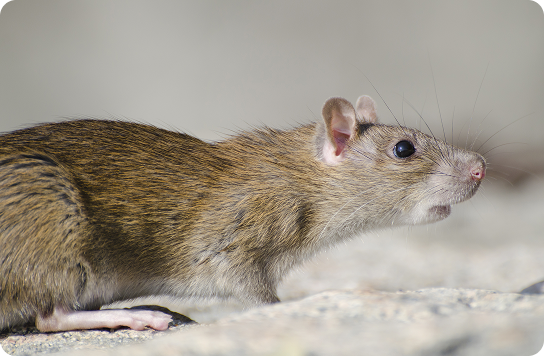
Which critters are most often seen in Hamilton, Ontario homes?
The most typical pests include ants, cockroaches, mice, and rats. Homeowners may also deal with spiders, wasps, moths, silverfish, bed bugs, cluster flies, and carpenter ants depending on the weather and property conditions. Older homes and areas with more moisture or garbage exposure often see more pressure.
How often should I check my home for pest entry points?
Inspect your home at least once a month, with extra checks in spring and fall. In Hamilton, weather changes can open new structural gaps, especially around older brick homes and aging foundations. Monthly checks make it easier to catch problems early before they turn into recurring pests.
Do I need professional pest control if I only see one or two pests?
Not always, but it depends on the type of pest and what you find during inspection. One or two ants may be minor, but a mouse, rat, cockroach, or bed bug is more concerning. If you see infestation signs or the pests keep returning, professional treatment and integrated pest management may be the best option.
What seasonal pest problems should Hamilton homeowners expect?
Hamilton homeowners should expect ants, wasps, and flies to become more active in spring and summer, while mice and rats often move indoors in fall and winter seeking warmth. Seasonal maintenance helps reduce risk, especially in homes near the Lake Ontario shoreline, the Niagara Escarpment, or dense urban blocks.