Are Raccoon a Pest Problem in Windsor, ON?
Are raccoons seen a nuisance issue in Windsor?
Yes, raccoons are widely considered a wildlife problem for many homeowners in Windsor, ON, especially when they move from being harmless urban wildlife into homes, garages, and yards. In a city like Windsor, raccoons are one of the most frequent forms of nuisance wildlife because they adapt well to the urban environment and learn quickly where food, shelter, and quiet nesting areas are easy to find.
For homeowners, the issue is not simply seeing a raccoon at night. The concern is wildlife intrusion into living spaces, damaged roofs, contaminated insulation, and repeated access to the same shelter spots. That is where pest control Windsor services often become important. Raccoons are intelligent, strong, and persistent, which means a small weakness in a house can quickly become a major problem.
In Windsor neighborhoods with older housing stock, mature trees, and dense residential streets, raccoons can move easily between yards and buildings. They often use property access points like gaps in soffits, loose shingles, attic openings, and damaged vents. If left alone, a raccoon issue can turn into ongoing property damage, odor, and sanitation concerns.
How come raccoons show up often in Windsor neighborhoods
Raccoons thrive in Windsor because the city offers a steady mix of cover and food. Garbage bins are one of the biggest attractants, especially if lids are loose or trash is set out too early. Rear lanes, alleyways, and residential curbside collection can all give raccoons easy access to food sources.
Backyards also play a major role. Bird feeders, pet food, compost, fallen fruit, and accessible gardens can all draw raccoons in. Once they are comfortable in a yard, they may inspect decks, sheds, and crawlspaces. In many cases, they climb onto decking or nearby fences to reach roofs and sheltered nesting spots.
Homes in Windsor often have older construction details that create structural vulnerabilities. Raccoons can exploit loose trim, aging flashing, weakened soffits, and unsealed roof transitions. They may also enter through roof vents, damaged chimneys, or gaps around roof edges. Attics are especially attractive because they are warm, quiet, and dry. Once inside attics, raccoons may create a den site using insulation and nesting materials.
Another reason raccoons are so common is Windsor’s geography. Areas near the Detroit River, the riverfront areas, parks, ravines, and green corridors tend to have more frequent wildlife activity. Homeowners near these zones often see raccoons moving between natural cover and residential blocks. That does not mean every raccoon sighting is an emergency, but it does mean the city has a strong overlap between wildlife habitat and housing.
Seasonal behavior also matters. During seasonal breeding, raccoons become more likely to seek protected den sites in homes. In spring and early summer, female raccoons may enter attics to give birth and raise young, which can increase the chance of damage and repeated visits.
What signs show raccoons are creating a concern?
Identifying the infestation signs at an early stage can stop a small issue from turning into a more serious one. One of the most common warning signs is attic noises areas, especially after dark or in the early morning. Homeowners may hear thumping, scurrying, rolling sounds, or ongoing activity overhead. These sounds often suggest wildlife activity in insulation or around roof edges.
Lifted shingles are another major indicator. Raccoons are strong enough to pull back damaged roofing materials while searching for a way in. If you notice curled edges, bent flashing, or recent damage near vents and eaves, raccoon entry should be considered. These are often clues that the animal is trying to widen an opening or return to a den site.
Droppings in attics, on decks, near fences, or around garbage storage areas can signal active use of a property. Raccoon droppings should always be treated carefully because they may contaminate surfaces and create sanitation concerns. Strong odors, stained insulation, and visible nesting debris can also point to an active wildlife issue.
Tipped-over garbage is perhaps the easiest outdoor sign to spot. If bins are https://sites.google.com/view/pestcontrol-windsor-ontario/ knocked over repeatedly, lids are chewed, or trash is scattered across the yard, raccoons may be feeding nearby. In some cases, this activity happens before homeowners ever notice a roof entry. That is why regular property checks matter, especially after windy nights or garbage collection days.
Other signs include paw prints on decks or fences, damaged garden beds, and disturbed insulation around entry points. When these clues appear together, they often indicate more than a passing visit. They suggest ongoing wildlife intrusion and possible nesting behavior.
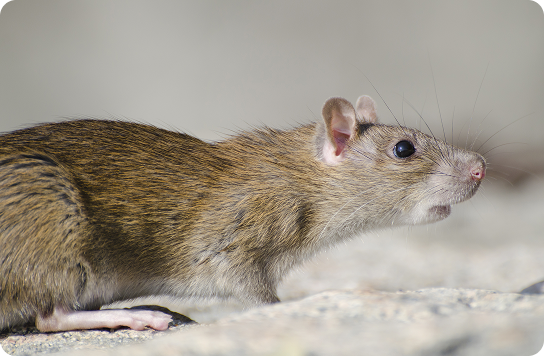
What dangers do raccoons pose to homes and health?
Raccoons can lead to significant concerns for both home and health. One of the biggest risks is the spread of disease. While not every raccoon is sick, wildlife in close contact with homes can carry diseases and contaminants that should not be ignored. Rabies is the most familiar concern, even though it is rarer than many people assume. Still, any raccoon acting oddly fearless, unsteady, or aggressive should be treated with caution.
Another important issue is roundworm. Raccoon droppings may contain roundworm eggs that can taint soil, insulation, and other surfaces. This is why cleanup and odor control should be handled carefully, especially in attics and enclosed spaces. Contaminated insulation may need removal, and affected areas should be properly sanitized to minimize health risks.
Property damage can be extensive. Raccoons may tear soffits, rip at shingles, enlarge openings around entry points, and damage roof vents or chimney caps. In some cases, they may use their claws and strength to access weak areas repeatedly, leading to ongoing repairs. They can also compress insulation, damage ducting, and soil attic spaces with urine and droppings.
External parasites are another concern. Raccoons may carry fleas, ticks, and mites that can move into surrounding areas and affect pets or even people. This is one reason professional cleanup and containment are so important after a raccoon has been inside a structure.
There is also a real animal safety issue. Curious dogs or outdoor cats may be injured if they confront a raccoon in a yard, on a deck, or near a garbage area. Protecting pets means limiting attractants and keeping animals away from potential den sites or active wildlife routes.
Because raccoons can contaminate insulation, roofing spaces, and storage areas, effective home protection depends on both removal and follow-up repairs. Without that, the same animal, or another one, may return to the same vulnerability.
What are Windsor’s guidelines and area considerations for raccoon control?
Homeowners in Windsor need to comply with both Ontario wildlife regulations and city municipal bylaws when dealing with raccoons. This is important because wildlife control is not the same as ordinary pest treatment. Raccoons are living animals, and their handling must respect legal and humane standards.
In Ontario, raccoon management must respect Ontario wildlife rules, especially around trapping, relocation, and the treatment of young animals. Illegal trapping, harmful methods, and the use of poison are not appropriate solutions. Poison can create dangerous secondary exposure for pets, other wildlife, and people, and it is not a responsible answer for raccoon control in residential areas.
Local animal control services and licensed wildlife professionals may be involved depending on the situation. For many homeowners, the best approach is humane removal combined with structural repair. This usually means making sure the animal is gone, protecting the home, and then sealing vulnerable access points so the problem does not continue.
Windsor homeowners should also remember that raccoons are part of the local ecosystem. The goal is not to eradicate urban wildlife, but to manage it safely. A responsible approach focuses on prevention, inspection, and humane exclusion rather than confrontation. If a raccoon is in a wall, attic, or chimney, timing matters, especially when young animals may be present.
This is why it is wise to work with professionals who understand local bylaws, seasonal behavior, and the practical expectations for wildlife control in Windsor’s neighborhoods.
How pest control Windsor providers handle raccoon issues
Professional pest control Windsor providers typically start with a detailed inspection. This process aids spot the wildlife species, assess the harm, pinpoint the den site, and figure out how the animal entered the structure. Correct species identification matters because raccoon control is different from the approach used for squirrels, skunks, or rodents.
During the inspection, technicians search for entry points, tracks, droppings, nesting debris, chew marks, and signs of repeated use around soffits, roof lines, vents, and chimneys. They also examine nearby structural vulnerabilities such as loose roof materials, damaged flashing, and gaps around decking or siding.
After the animal is located and confirmed to be out of the structure, the next step is typically exclusion. This involves sealing the access point and reinforcing weak areas so raccoons cannot return. Exclusion is one of the most important forms of damage prevention because raccoons are persistent and often revisit previously successful entry routes.
If young are present, professionals may need to perform nest removal safely and in line with humane practices. Seasonal breeding makes this especially important in spring and early summer. At that stage, removing a mother without proper assessment can leave young behind, which is why professional removal is often the safest route.
Once removal, thorough sanitization is commonly recommended. This can involve cleanup of droppings, contaminated materials, and odor control work to reduce lingering contamination and discourage future wildlife intrusion. In homes where raccoons have spent time in insulation, attic cleanup may be essential.
Professional wildlife control is not just about getting the animal out. It is about restoring the home, protecting air quality, and preventing repeat access. That full-service approach is what makes professional removal valuable for Windsor homeowners.
In what way can homeowners reduce raccoon activity near the property
There are a number of several practical protective measures homeowners can use to decrease raccoon activity. The initial is keeping secure garbage in sturdy bins with tight-fitting lids. If garbage bins are easy to open or tip over, raccoons will return frequently. Keep bins in a garage or shed when possible, and avoid leaving bags outside overnight.
Taking away food sources is equally important. Store pet food, clean barbecue grills, remove fallen fruit, and avoid leaving compost exposed. Bird feeders should be monitored closely because spilled seed can attract raccoons and other nuisance animals. Even a tiny amount of easy food can result in repeated visits.
Repairs to the roof should be treated as part of home protection, not just general maintenance. Fixing loose shingles, repairing soffits, sealing roof gaps, and securing vent openings and chimneys can reduce access to attics. Because raccoons are strong climbers, weakness on the roof can be enough to start a larger problem.
Fencing barriers can help in some yards, especially when paired with better waste storage and reduced attractants. While fences are not a complete solution, they can add an extra layer of protection around gardens, compost areas, and deck spaces. They may also discourage raccoons from casually moving through a property.
Homeowners should also inspect attics, decks, sheds, and crawlspaces for early warning signs. If you notice disturbed insulation, scratching, or droppings, act right away. Early response is always easier than repairing a long-standing problem.
In Windsor’s dense neighborhoods, prevention works best when it is steady. Raccoons are opportunistic, and if one home is easy to access, others nearby may also become targets.
When to contact a trained technician in Windsor
You should reach out to a specialist when you see recurring infestations, obvious damage, or ongoing signs of wildlife intrusion. If raccoons keep returning to the same roofline, attic, or deck area, that is a strong sign the underlying access issue has not been solved. Return visits often mean the home still has access points that need proper sealing.
Professional assistance is especially important if you suspect the raccoon is protecting young, if you hear activity inside the attic, or if you are dealing with a protected animal situation that requires careful handling. Since raccoons may be present during breeding season, timing can affect what options are safe and legal.
If the animal is trapped in a wall, chimney, or attic and appears distressed, you may need emergency wildlife removal. Time-sensitive situations can also involve damaged wiring, odor issues, or a large amount of contamination. In those cases, a fast response helps reduce health concerns and prevent additional property damage.
Expert support is also the better choice if you are unsure whether the animal is a raccoon at all. Proper animal control starts with accurate identification and a plan tailored to the structure. A trained technician can assess the problem, recommend exclusion work, and help with cleanup and sanitization.
For Windsor homeowners, calling early often saves money and reduces stress. If the animal has already entered the home, or if there are repeated signs around soffits, vents, or the attic, professional intervention is usually the most practical next step.
FAQ: raccoons and pest control in Windsor
Are raccoons legally considered a pest in Windsor?
Raccoons are often treated as nuisance wildlife rather than a traditional pest, but they can absolutely become a pest problem when they enter homes, damage property, or contaminate living spaces. In Windsor, homeowners must follow Ontario wildlife rules and municipal bylaws when dealing with them, which is why humane handling is important.
What part of the year are raccoon problems worst in Windsor?
Raccoon concerns are often most severe in spring and early summer because of seasonal breeding and denning. During this period, raccoons may search for quiet shelter in lofts, soffits, and chimneys to raise young. In Windsor, that timing can make roof and attic issues more noticeable.
Can I remove a raccoon myself from my attic?
It is usually not recommended. Raccoons can become defensive, especially if young are present, and attic situations often involve contamination, hidden entry points, and structural damage. Professional removal is the safer approach because it includes inspection, humane removal, exclusion, and cleanup.
How do I keep raccoons out of garbage bins in Windsor?
Use secured trash bins with secure or tight-fitting lids, place garbage out as close to collection time as possible, and keep bins in a garage or shed when you can. Removing food sources, cleaning up spills, and avoiding outdoor pet food can also reduce interest in your bins.
When should I call pest control Windsor for raccoons?
Call pest control Windsor when you notice noises in the attic, see torn shingles, find droppings, notice overturned garbage, or suspect a raccoon has entered your home. You should also call if the problem keeps returning, if there are young animals involved, or if you need emergency wildlife removal and humane exclusion help.
Mosquito Man Windsor
2485 Front Rd, LaSalle, ON N9J 2C5, Canada
+1 226-526-4711
https://maps.app.goo.gl/JwhSC65zfbLWNH6v7
https://mosquitoman.ca/pest-control/windsor/
42.2161228, -83.1003005